Heating, Ventilating, and Air Conditioning (HVAC) Systems
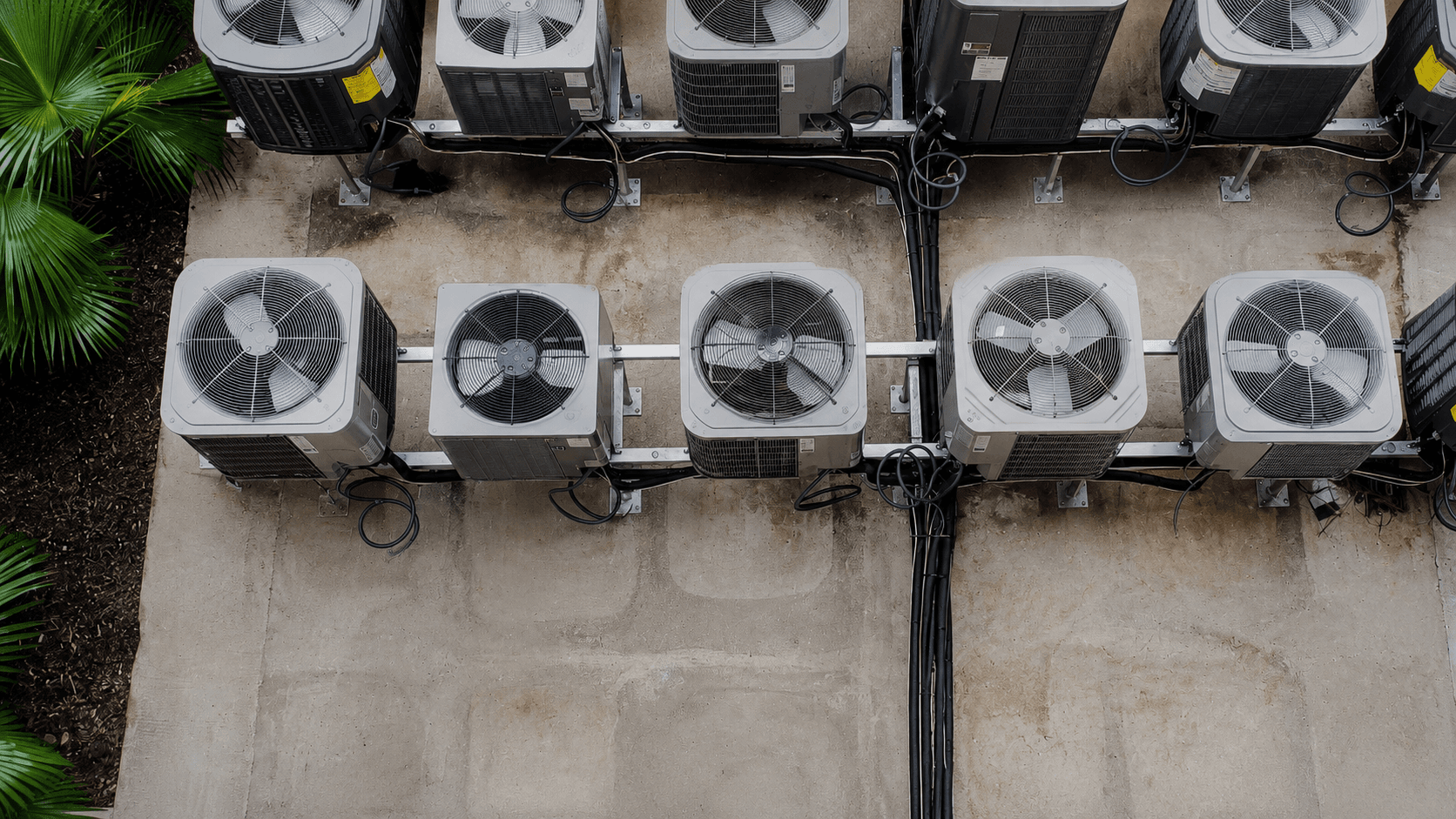
HVAC systems play a crucial role in ensuring the comfort and well-being of occupants within commercial buildings and industrial facilities. Beyond mere temperature regulation, these systems contribute significantly to economic, social, and environmental sustainability by optimising energy usage, minimising greenhouse gas emissions, and promoting the efficient utilisation of natural resources.
From an economic standpoint, HVAC systems are essential investments for businesses, as they enhance productivity and operational efficiency by maintaining comfortable indoor environments. By reducing energy consumption and operational costs, these systems support long-term viability and profitability, aligning with sustainable business practices. By employing energy-efficient technologies and strategies, such as smart thermostats and variable speed drives, these systems minimise greenhouse gas emissions and contribute to achieving the Sustainable Development Goals

A typical HVAC cooling system comprises both closed and open cooling water circuits. These systems are vital for cooling various industrial processes like reaction kettles, furnace hoods, engine jackets, and steam condensers in power plants.
The sizes of these systems can vary significantly, ranging from a few hundred gallons to several million gallons. However, regardless of size, all these systems require chemical treatment to safeguard heat exchangers and piping, ensuring operational efficiency.
In some cases, large commercial buildings utilise once-through cooling water systems. However, many of these systems are transitioning to recirculating systems to conserve water and preserve the quality of natural water sources.
By adopting recirculating systems, businesses contribute to economic, social, and environmental sustainability. These systems help reduce water usage and minimise the impact on local communities and natural resources.
Moreover, they align with the Sustainable Development Goals, particularly those related to environmental sustainability and the conservation of natural resources.
Through sustainable business practices and a focus on the long-term viability of HVAC systems, companies can ensure that future generations have access to clean water and a healthy environment. This approach reflects the idea of sustainability, wherein present actions do not compromise the ability of future generations to meet their needs.